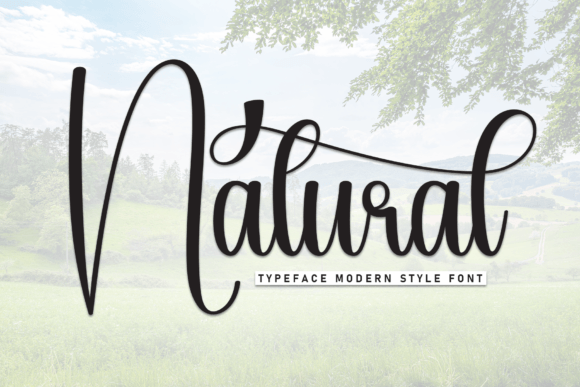
Natural: A Handwritten Font for Modern Design
Imagine a typeface that captures the thrill of a spontaneous road trip or the quiet beauty of a handwritten postcard. That's the essence of Natural, a stylish handwritten script font designed to infuse your work with a sense of exploration and creativity. In a digital landscape saturated with sterile, geometric fonts, Natural offers a refreshing dose of human touch and casual elegance, making it a powerful tool for designers aiming to build authentic connections.
The Role of Authentic Typography in Brand Identity
Modern graphic design thrives on personality and emotional resonance. A well-chosen typeface is a cornerstone of visual design, directly influencing brand identity and user perception. Natural’s fluid, dynamic strokes move beyond mere text; they communicate a feeling of warmth, adventure, and approachability. This makes it particularly effective for brands in the travel, lifestyle, outdoor, and artisanal sectors, where conveying an authentic story is paramount. Its handwritten quality can soften a brand's voice, making marketing materials feel more personal and less corporate.
Practical Applications for Creative Projects
The versatility of a script font like Natural allows it to enhance a wide array of creative assets. When used thoughtfully, it can elevate designs across multiple platforms, ensuring a cohesive and engaging visual language.
- Branding and Logo Design: Use it for a distinctive logotype or a complementary brand mark that feels personal and memorable.
- Social Media Graphics: Create eye-catching quotes, announcements, and stories that stand out in a fast-scrolling feed.
- Editorial and Web Design: Perfect for pull quotes, section headings in blogs, or hero text on a website to establish a compelling visual hierarchy.
- Packaging and Merchandise: Add a handcrafted feel to product labels, gift tags, or apparel designs, enhancing the unboxing experience.
- Marketing and Advertising: Craft headlines for email campaigns, digital ads, or print flyers that feel inviting and action-oriented.
Integrating Natural into Your Design Workflow
Selecting a creative asset is just the first step. To maximize its impact, consider how Natural integrates with your overall design system. Its primary strength is in display use, so pair it with a clean, highly legible sans-serif or serif font for body text to maintain readability and a strong visual hierarchy. Pay close attention to kerning and leading, as script fonts often require manual adjustment to ensure smooth connections between letters.
Color palette compatibility is also crucial. Natural’s organic forms work beautifully with earthy tones, muted pastels, and vibrant hues inspired by nature. Test it against your existing brand colors to ensure harmony. Always consider your audience; while this font excels at evoking emotion, ensure it aligns with the professional presentation required for your specific project, whether it's a luxury brand presentation or a casual community blog.
Evaluating Typography for Effective Communication
When assessing any design element, ask critical questions. Does it support the message, or distract from it? Is it scalable across different media, from a small favicon to a large banner? Natural’s style maintains its character at various sizes, but its intricate details are best showcased at larger display sizes. Ultimately, the goal of typography in visual communication is clarity and impact. A font like Natural should be used strategically to capture attention and convey tone, not to replace functional text where ease of reading is the top priority.
Thoughtful design is about making intentional choices that serve both aesthetics and function. Incorporating a versatile and expressive asset like Natural into your toolkit allows you to inject personality and narrative into your work. By balancing such creative fonts with foundational design principles—consistency, readability, and audience awareness—you can produce professional, engaging, and visually cohesive projects that truly resonate. The right typography doesn't just display words; it tells a story.